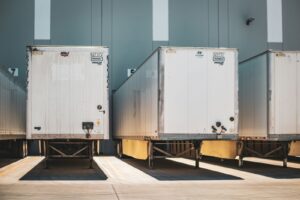



Understanding Flatbed Trucking and Its Distinctive Qualities
- Multifaceted Load Limit: The Trendy flatbed that can accommodate cars, heavy construction machines, various pantry items like steel beams and lumber, and many other loads often beyond size and weight limitations.
- Loading and Unloading are Super Swift: It is a very non-encumbered way for loading and unloading as the flatbed has no sides or roof so it can be accessed widely by cranes and forklifts, saving loading and unloading time significantly.
- Weather Vulnerability: Although it is an advantage for some loads, the flatbed is an issue of high-level concern for the weather. Tarps and protective wraps are necessary for the safety of the cargo during transit.
Main Benefits of Flatbed Trucking
Flatbed trucking is an excellent option for providing unique advantages that meet the needs of varied modes of transport. Among the major advantages, perhaps the greatest is the unparalleled ability of flatbeds to carry all kinds of freight. The agricultural equipment transported by flatbeds to the distant areas of the countryside is the primary aspect of farming which contributes to framing this quotation. Flatbed trucks are also said to be the primary conveyor of farm machinery transports, approximately 25% of which would not be possible without the particular features that are adapted to such loads.
Furthermore, flatbed trucking is also the best shipment mode with added safety during tough terrains. Drivers can bind the load of the cargo with chains and straps in such a way that it causes insignificantly less load shifting while the truck is in motion. This way, the freight stays stable even on the rugged roads which are often essential in the delivery of construction materials. The choice to modify these securing mechanisms based on the specifications of the load is an extra security feature.
In addition, flatbed trucking enables easy and effective multi-drop deliveries. The free route and schedule for the company can be achieved through the unloading process of several destinations without the requirement of moving the other cargo. This flexibility brings down costs and significantly adds to supply chain efficiency by even 15%, as illustrated in logistical case studies.
To put it concisely, the mobility, security, and streamlining that flatbed trucking provides makes it an indispensable instrument for logistics.
Challenges and Limitations Using Flatbed Trucks
First, it is essential to be fully aware of the limitations involved in flatbed trucking before overcoming the challenges that accompany it. A primary problem is security; although the strapping methods have seen a lot of enhancements, the enclosure is still missing and thus there is a significant risk that can arise from bad weather conditions. According to a study carried out in 2022, it was found out that unsecured cargoes were responsible for about 15% of the incidents that occurred on the roads where flatbeds were involved. Additionally, drivers are faced with the problem of abiding by the different weight and size regulations set by the states, which poses as one of the regulatory challenges. Furthermore, the insurance premium is very high which is due to the obvious risks that exist. Moreover, a high level of skill which is very crucial is needed by the drivers; flatbed drivers usually need certain skills, therefore they require many training courses and real-life experiences in order to do away with the possible risks.
Safety in Flatbed Trucking
Flatbed trucking is a special form of transportation that comes with distinct autonomous challenges where the safety strategy should be the main priority. In contrast to the enclosed trucks, flatbeds need more careful attention while fastening loads. A survey done in the year 2023 found that a larger fraction of 20% of load-related accidents was caused due to improper securing. Use of high-tensile strength chains and specifically designed binders for the type of freight moved like machinery or steel beams should be considered as a standard in general life protection. Furthermore, checking on the condition of the straps or chains during the trip is also necessary due to the changes in temperature and terrain that may happen.
Driver experience is a crucial factor as handling the vehicle in a sophisticated way could prevent rollovers in some cases when the load is different. A lot of the firms have training programs and simulating training as a way of improving drivers concentration and speed in unexpected emergency situations. Besides this, real-time monitoring systems are of great importance as they can send the weather warnings early to the drivers, enabling them to make safer decisions concerning route changes.
As a trusted CDL Staffing Agency, we are dedicated to ensuring safety and excellence in every aspect of transportation. For more information and resources, please visit https://leadgamp.com/
The Impact of Weather Conditions on Flatbed Operations

Flatbeds have to face the problems of bad weather that are very challenging factors for them. They are not exactly like enclosed trailers, as flatbeds genuinely separate the cargo from weather conditions and that allows you to track them freely without a cost demo, which means you need to plan for their protection strategically.
Heavy rain, snow, winds, and soaring temperatures mean lighting a lot of firewood. The bad weather usually means extra preparation. For instance, in places where the heavy rain is a problem, it is important to strap down the waterproof tarps that cover the load to completely avoid the water damage. Around 22% of flatbed trucking delays are resulted from weather condition problems; that is why monitoring of weather thoroughly in advance is really necessary.
Another troublemaker is the winds that usually bring around tall or light loads which might be kicked-off easily. Based on a study done in 2021, a side wind of more than 30 miles/hour increases the risk of a load shift by 40%, so stronger strapping methods are necessary.
In winter, icy roads considerably change the traction dynamics, which necessitates more drivers’ vigilance and longer stopping distances to keep the control. Extremely hot weather causes materials such as construction ones to expand. Therefore require stretching hitching methods that can accommodate size variations.
Having the latest technologies for real-time tracking of the weather, operating agencies can choose alternative routes or in circumstance, reroute to avoid the bad weather. Businesses should definitely see a good ROI from the capital they invested in driver’s training on the proper functioning of vehicles in adverse weather because of the fact that road accidents will be reduced and therefore the amount of disruption the weather would normally cause.
Economic Impact on Drivers and Companies

The economic impact of flatbed trucking is on both drivers and companies as they receive different effects from it. This is the main reason flatbed trucking is considered to be the best truck driving job in which to earn more money than others. This is usually due to the higher skill levels that people require for the trade and the additional tasks that they must perform, such as proper load binding. A recent survey conducted by the American Trucking Associations in 2023 stated that flatbed drivers are likely to earn about 15% more than their counterparts operating dry vans. Nonetheless, the extra salary comes with the cost of having to carry out additional duties such as securing loads and dealing with unpredictable weather conditions.
Flatbed trucking is a domain where the concepts of cost and operational efficiency are analyzed in a bidirectional manner. Flatbed hauling, being the initial burden in costs incurred on equipment such as winches and tarps, often seems heavy. The very flexibility of flatbed transport can be mismanaged through logistics which can increase cost per mile by the addition of more freight and use of multi-stop delivery. Logistics Management conducted a research project indicating that the flatbed service users have been able to reduce their machinery shipping cost by 12% by better route planning and the flatbed’s ability to carry more than one load. All these benefits have to be weighed against the additional requirement for safety measures, which will subsequently increase insurance and training costs that will be manifested in the cost total.
Conclusion: Weighing the Pros and Cons of Flatbed Trucking
The pros and cons of flatbed trucking fairly shift the balance towards the usage of this transport mode but the imbalance is present due to the certain problems one has to deal with. Flatbed trucks, due to their flexibility and mobility, are the major reasons that have made them the workhorses of industries that need to transport oversized or odd cargo. As loading items onto a flatbed surface is fast and easy, it is expected to find an evident advantage in industries with short turnaround time like the construction or agriculture ones. If you could do multi-drop deliveries with the above means then you would be able to get slight changes to the routes which would mean serious saving of money and better procurement rate in the supply chain.
However, the flatbeds’ vulnerability also poses various challenges, especially in relation to load security and exposure to bad weather conditions. New ways of binding down the cargo safely are exercise, which in itself, can mitigate the rigors of training and licensing, but brings about the demand for the special driver. Also, the different state that has to be followed in order to be compliant with the regulations and the need for high insurance premiums indicate that flatbed trucking has a lot of complexities to it.
For drivers, the chance of earning more money illustrates a level of distinction, skill and responsibility, even though it is countered by the demanding nature of the job. For companies, a safe investment in equipment and security could lead to operational efficiency, even if those investments need capital initially. Consequently, the survival of the flatbed sector relies on the weighing of these particular features that fit the transportation best.